
Exhaust Pipe Repair Kits: What They Fix and What They Don't
When your exhaust system isn’t working properly, a kit can be a quick and easy solution. Unfortunately, some exhaust problems go beyond a simple patch repair. Failure to fix an exhaust leak the right way can cost you more in the long run. Here, we explore the types of exhaust leaks you might see, when an exhaust pipe repair kit is appropriate, and when it's time to look at other repair options.
What is an Exhaust Pipe Repair Kit?
An exhaust repair kit is a package of materials and components you can use to seal a crack, leak, or hole in your exhaust pipe. It typically contains a section of flex pipe and clamps to secure it with.
While a repair kit offers a quick solution when you’re on the road, it’s only a temporary one. You should still schedule an appointment to get your exhaust leak repaired properly when you get to your destination or return home.
Signs of Exhaust Pipe Damage
Exhaust leaks can be insidious. Signs aren’t always readily visible, but regular inspections can help you catch them before the leak becomes a danger to your health and safety. Look for the following exhaust system red flags:
- Soot accumulation: If your exhaust system isn’t sealed properly, you’ll notice soot accumulating around the bellows, clamps, or joints of your exhaust pipe.
- Loud noise: When your truck suddenly gets louder, it could be a sign that your exhaust manifold or pipe has a hole. Pay attention to roaring, rumbling, or ticking sounds that get louder when you start the truck or accelerate.
- Fumes and odors: Smelling exhaust fumes or diesel in your cab is a clear sign of something amiss in your exhaust system. These gases and fumes are toxic, so prompt repairs are critical to avoid life-threatening exposure.
- Loss of power: If you’re using more fuel but not accelerating, it can be due to damage in your bellows or downpipe. Backpressure and filtration disruptions can compromise fuel mixing and injection, leading to less fuel efficiency and reduced acceleration.
- Visible damage: During your regular point check, look for rusted, loose, or hanging exhaust components and pipes.
- Loose clamps: If your exhaust pipe clamps are loose even when completely tightened, you might have a warped or damaged exhaust component.
Common Causes of Exhaust Leaks
When you’re on the road for hours, days, or weeks, it’s bound to take a toll on all your truck systems. The following stressors are especially tough on your exhaust systems:
- Temperature extremes: Exhaust systems are extremely hot, which makes components expand and contract. Aging, brittle exhaust manifolds and pipes can crack with repeated, ongoing temperature fluctuations.
- Constant vibration: Vibration from the engine block and shaking from regular driving over various road surfaces can loosen joints, clamps, and mounting fixtures.
- Corrosion: Exposure to corrosive elements like salt and moisture can cause exhaust components to rust and degrade over time.
- Pressure: Exhaust systems are under constant pressure, which can blow gaskets and joints after months or years of temperature fluctuations and pressure.
Most stress your exhaust system experiences is due to regular wear and tear, but some conditions can shorten exhaust component service life. You might see more damage if you’re on the road for long hauls, carrying oversized or overweight loads, or driving in frigid winter conditions where road salt is in use.
When a Pipe Repair Kit Isn’t the Right Solution
When you’re trying to get a shipment from point A to point B on a tight schedule, you don’t have time to bring the truck to a mechanic. Exhaust pipe repair kits are made for this situation. They’re an excellent stop-gap that keeps your rig running until you can get it to the shop.
However, sometimes a pipe repair kit simply isn’t enough to fix the problem without putting you or others in danger. Get your truck to a mechanic if the damage is on your manifold or turbo, or if it comes anywhere before the diesel particulate filter (DPF) section of your exhaust system. These components are too hot to hold a patch, and your adhesive tape or patch will just melt off as soon as you get moving.
You should also avoid trying to patch extreme damage where the metal is too thin or rotted to hold the patch. If there isn’t enough solid metal to attach the patch to, it’s not going to hold.
For your safety, you should also avoid using patches for exhaust leaks near the cab. Carbon monoxide and other dangerous gases can enter the cab while you’re driving, and you might not notice a failed patch until it’s too late.
If you’re bringing the rig in for a periodic inspection, you’re not going to be able to pass off an exhaust issue with a patch or wrap. Federal Motor Carrier Safety Administration (FMCSA) regulations require your system to be in good working order without any temporary repairs.
Sourcing Aftermarket Exhaust Components
Fixing an exhaust system can be pricey, but the cost of having broken or non-compliant exhaust components is much higher in the long run. If you trust patches and don’t fix the problem as soon as possible, a simple joint or gasket replacement might snowball into a full exhaust system retrofit.
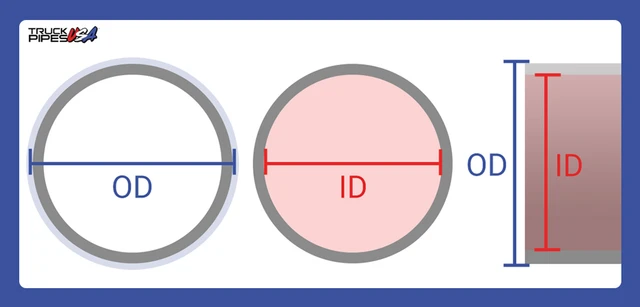
Identify the components you need to effectively repair your system, including inner diameter (ID) and outer diameter (OD) measurements. Choose a material that fits your long-term needs and budget, and don’t forget to include fixtures and fittings like clamps, elbows, and flex pipes.
Explore Exhaust Pipe Repair Kits and Aftermarket Solutions
Don’t sacrifice your health and safety. Follow-up a pipe patch with quality parts you can trust. Look for reputable aftermarket part providers like Truck Pipes USA, which sources direct replacements for OEM parts and complete kits at affordable prices. Whether you’re patching a pipe, replacing an exhaust manifold, or installing a completely new stack, Truck Pipes USA has the equipment you need for safe, reliable exhaust repairs. Shop our online catalog or contact our customer service team with questions about our exhaust pipe repair kits and aftermarket parts.
Recent Posts
-
Exhaust Leak Symptoms: How to Tell If Your Truck Has One
Do you notice a faint ticking from under the hood on a cold morning? Your truck might be trying to t …21st Sep 2026 -
Exhaust Pipe Repair Kits: What They Fix and What They Don't
When your exhaust system isn’t working properly, a kit can be a quick and easy solution. Unfortunate …21st Sep 2026 -
What Do ID and OD Mean and Why Does it Matter?
When buying or replacing your truck exhaust pipes, there are two key measurements to keep in mind: i …27th Apr 2026